



Diet to Help Dry Skin: Foods to Avoid and Favor


Dry skin lacks lipids and has a weakened skin barrier. Learn which foods to avoid or favor to help maintain healthy skin balance.
Dry Skin: Which Foods Should You Avoid to Support Skin Balance?
Dry skin lacks lipids and has a weakened skin barrier. Diet can help support skin balance, especially through hydration, oxidative stress management, and skin barrier function.
By the end of this article, you will understand which foods to avoid or favor to help maintain healthy skin balance.
Why diet influences skin quality?
Nutrition for healthy skin relies on a global approach that combines a balanced diet, hydration, and a suitable skincare routine.
Diet plays a role in:
- maintaining barrier function,
- managing oxidative stress,
- supporting the hydrolipidic film,
- supporting cell renewal.
Diet works alongside a broader skincare approach.
Which foods should you favor for healthy skin?
This diet to help dry skin is not based on “miracle foods,” but on consistent and sustainable habits.
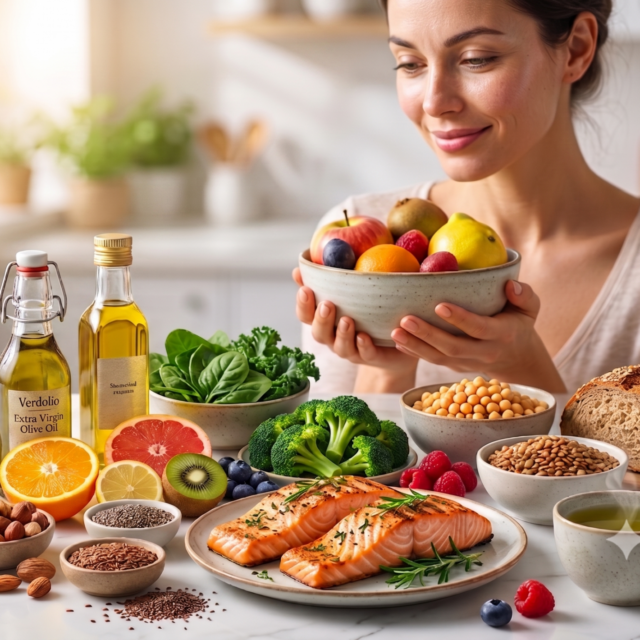
Foods to favor for dry skin
For dry skin, the goal is to support barrier function and provide nutrients that help improve skin comfort.
- Plant oils, walnuts, flax seeds, and oily fish provide omega-3 fatty acids that help support skin barrier function.
- Oils rich in vitamin E, almonds, hazelnuts, and green vegetables provide antioxidants that help protect against oxidative stress.
- Citrus fruits, berries, kiwis, and broccoli are good sources of vitamin C.
Foods that may benefit oily skin
Some foods may help support skin prone to excess sebum:
- colorful fruits and vegetables for their vitamins and antioxidants
- green tea and certain herbal infusions for their polyphenol content
- oily fish and chia seeds for their omega-3 content
- legumes, whole grains, lean meats, and seafood for their zinc content
Which foods can worsen dry skin?
Some foods may increase skin discomfort when consumed in excess.
Refined sugars
Refined sugars found in soft drinks, sweets, industrial pastries, and ultra-processed products may contribute to oxidative stress and certain inflammatory processes.
Alcohol and excess caffeine
Alcohol can contribute to dehydration. Excess caffeine may also increase discomfort in some people.
Ultra-processed foods
Industrial ready meals often contain added sugars, excess salt, or lower-quality fats. When eaten regularly, they can throw the overall diet out of balance.
Diets too low in good fats
A diet that is too low in essential fatty acids may weaken the skin barrier. That barrier plays an important role in skin comfort and hydration.
Which foods should you limit if you have oily skin?
Having oily skin can be a daily challenge. Diet is sometimes mentioned in relation to excess sebum production, even if it is never the only factor.
Fast sugars
Fast sugars found in soft drinks, sweets, and sugary products are best limited. They may promote major glycemic fluctuations and certain skin imbalances.
Ready meals and processed foods
Ready meals often contain hydrogenated oils, preservatives, excess salt, or saturated fats. Regular consumption may offer limited nutritional value when the goal is to support skin quality.

The importance of hydration in maintaining skin balance
Hydration plays an essential role in skin comfort.
It is important to distinguish between:
- dry skin, which mainly lacks lipids
- dehydrated skin, which mainly lacks water
Drinking enough water supports the body’s overall balance, but it does not replace a suitable skincare routine.
Read more on: Benefits of drinking water: any good for the skin?
Daily habits to complement a balanced diet
Alongside a balanced diet, it is essential to adopt habits that suit your skin type.
Here are 5 tips to include in your daily routine:
- Hydrate regularly by drinking enough water each day.
- Protect your skin from the sun with a face sunscreen suited to your skin type.
- Use food supplements such as nutricosmetics to support an overall beauty routine.
- Choose a beauty routine that matches your skin’s needs.
- Adopt a holistic beauty approach combining diet, hydration, skin protection, and suitable skincare.
ALPOL Cosmetique’s approach
Skin quality does not depend on a single factor. It results from a combination of lifestyle balance, skin protection, and suitable cosmetic care.
This global approach guides ALPOL Cosmetique’s teams in the formulation and development of cosmetic and dermocosmetic products designed to meet usage patterns, consumer expectations, and the skin’s specific needs.
Diet and skin in 5 key points
- Diet contributes to the skin’s overall balance
- Omega-3s and antioxidants help support barrier function
- Ultra-processed foods are best limited in excess
- Diet works alongside a suitable skincare routine
- Hydration, sun protection, and skincare remain essential
Frequently asked questions about diet and dry skin
Do you have a cosmetic project?
ALPOL Cosmetique supports brands in the development of cosmetic and dermocosmetic products aligned with market expectations, integrating formulation, sensoriality, compliance, and industrialization.
Contact our teams to structure your cosmetic project within a controlled framework.
You might also be interested in

At the heart of responsible cosmetic innovation
For professionals seeking more information about how we work, our products or our support: visit our website or follow us on LinkedIn.