


ISO 16128 in Cosmetics: Full Guide to How Naturality Is Calculated


The ISO 16128 standard defines how cosmetic companies can calculate the percentage of natural or natural-origin ingredients in their formulas.It is neither a label, nor a certification, nor a law. It does not define what a natural product is, but it sets out how to calculate its natural share. Its role is technical: to structure and provide a harmonized naturality calculations framework, that is common at international level.
By the end of this article, you will understand exactly how ISO 16128 works, how to calculate the naturality of a cosmetic product, and what limits apply when using it in marketing claims.
Natural, natural-origin, or organic: what is the difference?
A cosmetic product may be described as:
- natural,
- of natural origin, or
- organic.
An organic cosmetic product must comply with a recognized certification framework such as COSMOS ORGANIC or NATRUE. Certification implies external control and a specific set of requirements.
A natural or natural-origin product, by contrast, is not automatically certified. The brand remains responsible for the percentage of natural or natural-origin ingredients it claims.
This is where ISO 16128 becomes useful: it provides a common method for calculating naturality.
What is the ISO 16128 standard?
The ISO 16128 standard is a voluntary international standard published by the International Organization for Standardization (ISO).
Its purpose is to:
- harmonize definitions related to naturality
- define ingredient categories
- provide a calculation method for natural, natural-origin, organic, and organic-origin content
The ISO 16128 standard does not certify a product and does not validate a marketing claim. It provides a technical basis for calculation.
How are ingredients classified under ISO 16128?
The ISO 16128 guidelines distinguish four main categories.
1. Natural ingredients
These come from plant, mineral, or animal sources, without significant chemical modification. Physical processes such as mechanical extraction, filtration, or drying are allowed.
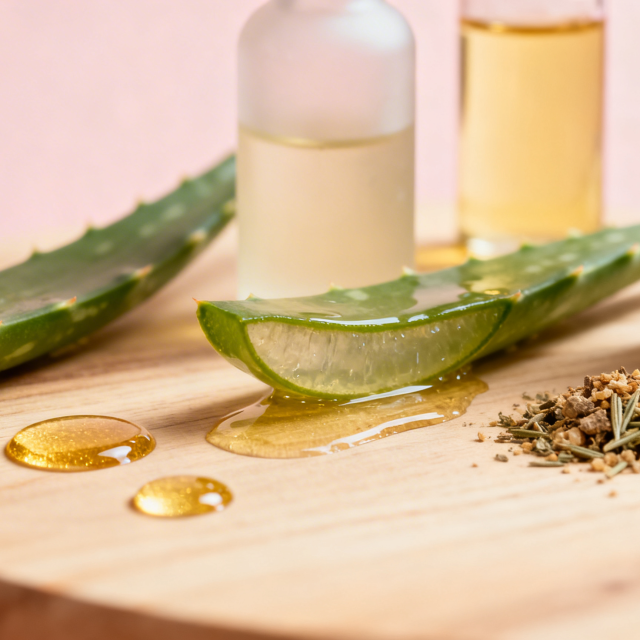
Example: aloe vera or a virgin vegetable oil.
2. Natural-origin ingredients
These are derived from natural materials but have undergone an authorized chemical or biological transformation. An ingredient is considered of natural origin if its naturality index is greater than 0.5.
Example: processed vegetable glycerin.
3. Organic ingredients
These are natural ingredients obtained from organic farming or compliant wild harvesting under the relevant standards or regulations in force.
4. Organic-origin ingredients
These are organic ingredients that have undergone certain authorized transformations.
Each ingredient is assigned an ISO 16128 natural index between 0 and 1.
How do you calculate the naturality percentage of a cosmetic product?
The naturality calculation is based on a simple and structured method.
Three-step method
- Identify the category of each ingredient
- Assign each ingredient its naturality index (between 0 and 1)
- Multiply the ingredientʼs weight percentage by its index
The sum of the results obtained corresponds to the total naturality percentage of the finished product.
Example of a naturality calculation for a cosmetic product
| Ingredient | % in formula | Naturality index | Contribution |
|---|---|---|---|
| Water | 85 % | 1 | 85 |
| Aloe vera | 0.8 % | 1 | 0.8 |
| Preservatives | 12 % | 0.8 | 9.6 |
| Vegetable oil | 2.2 % | 0.5 | 1.1 |
| Total naturality | 96.5 % |
In this example, the product shows 96.5% natural or natural-origin ingredients according to the ISO 16128 standard.
Under the ISO 16128 standard, water has a naturality index of 1. In a predominantly water-based formula, the naturality percentage may therefore be mechanically high.
The result must be interpreted consistently and transparently.
ISO 16128 and marketing claims: what are the limits?
The ISO 16128 standard provides a calculation method. It does not define the rules governing the use of the terms “natural” or “of natural origin” in communication.
In France, ARPP recommendations state that a cosmetic product may only be described as “natural” if it contains at least 95% ingredients defined as natural within the meaning of a recognized framework, including ISO 16128.
Compliance with the ISO calculation therefore does not remove the obligation to comply with the rules governing claims.
ISO 16128 vs organic labels: do not confuse them
The ISO 16128 standard:
- is not a label
- does not imply certification
- does not require an external audit
Organic labels, on the other hand, require:
- a detailed set of specifications
- regular audits
- a minimum percentage of organic ingredients
A product may have a significant naturality index under ISO 16128 without being certified organic.
The ISO 16128 standard does not address green chemistry processes or the environmental impact of ingredients.
ALPOL Cosmetiqueʼs support
Calculating naturality requires:
- qualification of raw materials with suppliers
- verification of naturality indexes
- consistency between formulation and claim
ALPOL Cosmetique gathers the information required from its partners in order to calculate the naturality percentage according to the ISO 16128 standard.
This approach helps brands structure their claims in compliance with the regulatory framework.

ISO 16128 in 5 key points
- Voluntary international standard
- Harmonized calculation method
- Ingredient classification into 4 categories
- Naturality index between 0 and 1
- Neither a label nor a certification
FAQ on calculating the naturality of a cosmetic product
Do you have a project?
Calculating naturality according to the ISO 16128 standard is an essential technical step, but it must be handled within a controlled regulatory framework.
At ALPOL Cosmetique, our Regulatory Affairs team supports cosmetic brands throughout the product lifecycle:
– Raw material qualification
– Formula compliance validation
– Product Information File preparation in accordance with Regulation EC No 1223/2009
– Active monitoring of national and international regulatory developments
The objective: secure your claims and ensure compliant, long-term market access.
You might also be interested in
At the heart of responsible cosmetic innovation
For professionals seeking more information about how we work, our products or our support: visit our website or follow us on LinkedIn.